
Category: Uncategorized

Family Definition Media Activity

Many years ago, I was given a definition while taking a graduate course about the family.  Through the years, I have often used it as a poster project lead-in to my family unit.  However, since going 1:1, I decided to try this assignment a new way, using technology…aka iMovie!  While I’m not an expert with this app, my students are and they were eager to assist their peers when necessary.  I even surprised myself by creating a YouTube channel so I could share a couple of student samples with you!  Not a 1:1 school or have access to technology–no worries!  I’ve included my original poster assignment (see attachments), which by the way could be easily modified for the differentiated classroom. I loved seeing how each student interpreted the family definition and how unique and diverse each movie was…just like families!

Exploring Pasta

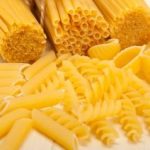
Pasta is one of my all time favorite units to teach in my Foods unit! Pasta is so easy, versatile, and economical that I feel every student should know how to prepare before they leave high school! I always tell my students that they will never go hungry if they know how to cook pasta. Use the provided slide to navigate through a variety of resources to learn more about pasta as your students complete this assignment and work their way into the lab.

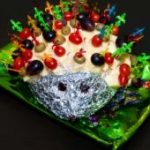
Cheese Balls Pantry Raid Lab

Cheese balls are often associated with parties, holidays and potlucks! But why limit them to just those events? I get to a point in the year when I have “a little of this and a little of that” leftover from other labs and taste tests. So I decided to have a pantry raid lab and have students make “cheese balls”. All I had to do was buy a block of cream cheese for each group and provide some parameters for the challenge. See below for more details.

Charitable Donations Mini-Lesson

Over the past year I have viewed many articles about how to tell the difference between real news and fake news which got me thinking about the legitimacy of charitable organizations and donations. The consumer rights explain how we need to be informed so we can make wise choices. This is true of making charitable donations as well! After all, people want to make sure their hard earned money is truly going to the cause when they make their contributions! This mini-lesson shows students how to investigate their charities of interest so they can make an informed decision when making charitable donations!

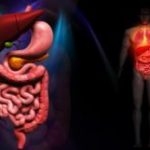
The Digestion Project

There is a huge emphasis on student directed learning and that meant that I would need to change the way I taught digestion. Sure, I could teach the process, all the organs and their functions to my students in a PPT and then give them a test, but that would not be very engaging, creative or student directed in any way. So, below is the new way I will be having my students learn about digestion.

Hands On with Housing Styles

So many houses, so many styles! How do you choose which styles to teach? You randomly assign the more common styles to your students and let them share their information with the class in a cooperative, interactive manner, of course! That way, all students receive the information, but are only responsible for researching one style. Accordingly, if you are giving students a quiz or test on the materials, you can tailor it to the styles selected by your students by having them create the questions as part of their assignment!

Teaching About Food Waste

This is a topic I’ve wanted to teach for a long time, not only because I practice it, but think it’s an important lesson for everyone to know and implement in their lives! However, that said, I was also a bit nervous introducing this lesson because I didn’t know how my students would receive it. Would they think it interesting and practical? Would they think it old-fashioned and a thing of the past? Would they even engage? Well, I can honestly say that my students were totally with me throughout this entire lesson! They shared personal stories and examples! They embraced the topic and were quite interested in the articles and stories I had them use, as well as the projects they were assigned! In the future and for the record, I will definitely be teaching this unit again, but this time with complete confidence!

Saving Money on Food Activities

Interestingly, students requested that I teach about coupons and techniques to help save money when food shopping. I happily obliged by putting together some engaging activities and resources to help students get started, but then flipped and put them in the driver’s seat to investigate and come up with solutions to their own request. See below for more details and if you have any interesting ways to teach this topic please share in the comment section below.

Food Origin Project

In the Ethnic Foods class, students study all of the regions of the world. The course begins with “Why do we Eat the Foods we Eat?” This lesson was created to stimulate the ‘investigative minds’ of students, encouraging them to ask questions and seek answers. In the study of American Culture, each region is celebrated with an authentic foods lab. This project was created to get students to understand the influence of other cultures on our own American favorites.

Capsule Wardrobes

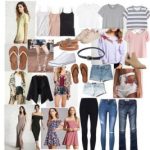
Capsule Wardrobes seem to be the latest trend in shopping and not just for the minimalists who strive to eliminate the excess! I decided to have my students explore this trend, create their own capsule wardrobe collection for a specific season and budget range as well as promote it through an infomercial using apps such as Polyvore and iMovie. Students were highly engaged as they looked for pieces to create their collection and somewhat frustrated as they had to revise when prices exceeded their budget range! Overall, a great practical lesson and project, simulating real life practices (except for the infomercial–that was just a fun, creative way to share their collections with the entire class)!