Tag: High School

Fundamental Habits: Mindfulness & Singlehood

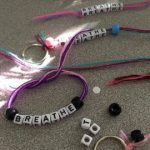
Independence or singlehood is the most critical stage of the family life cycle. During this stage, one strives to become fully able to support himself or herself emotionally, physically, socially and financially. Utilizing Sharon Lipinski’s “7 Generosity Habits” and Learning to Breathe: A Mindfulness Curriculum for Adolescents , Sasha Roble, a FACS teacher from Pennsylvania, created this lesson which encourages students to strive for a healthy body, mind and spirit. Keeping in mind throughout the lesson, that taking care of oneself means that you have a solid, strong foundation from which you can give to others throughout the family life cycle. After spending some time on managing one’s physical health, students in this lesson focus on the concept of mindfulness. Scientific studies show that mindfulness boosts your immune system, increases positive emotions, decreases depression and anxiety, grows additional gray matter in the brain, fosters compassion and enhances relationships.

Positive Phrasing Activity: Never Say No

This activity is part of my unit on Discipline & Guidance that I use in my Child Development class. It is a fun and interactive way to teach students how to positively phrase their sentences when directing or talking to children. Let me preface this activity by saying that it works better when you’ve had time to really get to know your students and develop a rapport with them.

Fidget Spinner App & Kitchen Review Activities

If you can’t beat ’em, you might as well join ’em! Fidget spinners are all the rage, not to mention the bane of most teachers! However, if students are interested in them, why not use them as part of an educational activity? Below you will find two review resources that use spinners to help students learn common kitchen measuring abbreviations, conversions and tools. If not all of your students have access to fidget spinners and you don’t want to actually purchase these devices, there is a free app you can utilize in order to take advantage of this, hopefully, short-lived fad. In the meantime, use it in a constructive way to help keep students engaged and attentive!

The Thrill of the Grill: A Comparison Shopping Project & Chicken Kabob Lab

Not sure if this happens to you are not, but when I have guys in a foods class, their foremost requests are “Can we cook meat?” and “Can we go outside?” So in the spring of the year, when we are nearing the end of the school year, I try to honor these requests. But to make it practical, I give them a comparison shopping assignment, shared with me by FACS teacher Amanda Swallow. Students have to investigate gas grills and make a decision as to what they’d purchase. After all, it is a large item purchase so they wouldn’t just want to buy the first model they see. Following that project, we do discuss the difference between indoor and outdoor grilling, including pros/cons, options and safety before preparing a Chicken Kabob lab! So, how do you teach grilling in your classroom? Please share ideas in the comment section below.

The English Muffin Challenge

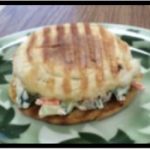
The English Muffin Challenge was a spur of the moment lab! One of our school clubs had two packages of English Muffins left over from an event that they generously donated to us. In addition, I had several left over ingredients from some other labs that I didn’t want to waste. So, I threw it all together for a challenge lab! Students had 40 minutes to create an aesthetic, edible product using the English Muffin and following the parameters of the challenge. Overall, the results were successful, albeit some interesting! However, students walked away knowing they could put together a filling dish, using only available leftovers. The beauty of this type of lab is that the challenge and follow-up assignment could revolve around any food you have an abundance of and wish to use up!

Scrambled Eggs: Experimenting with Liquids

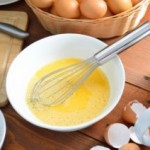
A student recently asked me why scrambled eggs tasted different at their friends and relatives houses compared to scrambled eggs made at home. Great question! I decided to let my students conduct an experiment by preparing scrambled eggs with different liquids in order to discover the effects each had on the eggs’ appearance, taste and texture. Not only did this experimental lab get the students into the kitchen to teach them how to make scrambled eggs, but it was a great way to incorporate a little food science into the curriculum as well!

Teacher of the Month: Donna Cabrera

Congratulations to this month’s teacher of the month, Donna Cabrera, a Family & Consumer Sciences Middle School teacher from Pennsylvania. While this is her first year teaching FACS, she is no stranger to the classroom, having taught Special Education for 10 years.

Multiple Intelligence Theme Boards

After teaching my students about Howard Gardener’s Multiple Intelligence Theory, I wanted them to imagine they were a preschool teacher and had to develop activities around a particular children’s theme, incorporating each of the 8 multiple intelligences. After randomly selecting a theme, students create a theme board to share their ideas. In addition, students must explain how each of the activities selected relates to the multiple intelligence they’ve partnered it with. If your students are actually teaching in pre-school programs, this would be a great planning tool for them to utilize.

Knife Skills: A Hands-On Lesson & Lab

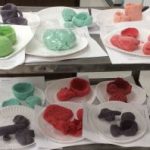
This hands-on lesson plan, shared by Marlee Barton of Kentucky, includes knife skill activities using Play-doh and graduating to real vegetables. A soup lab follows Sounds like a fun and delicious way to learn about knives!

Subscription Box Creations–Mini-Project

Subscription boxes are all the rage! Why not bring the concept into the classroom, letting imaginations run wild with your students, while they develop new ideas for them around a wellness theme? Thanks to Katie Kensinger, a FACS teacher from Branson High School, Missouri, you can! See her awesome idea below, along with some student samples.