
Category: Child Development

Babysitting Materials

Many middle school Family and Consumer Science courses contain at least one unit in babysitting. Babysitting can be a challenge to teach as the standard is the Red Cross’s course. Here are some helpful resources for teaching baby sitting to your students.

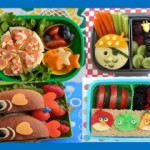
Fun with Foods: Bento Box Lunches for Kids

When my children were in elementary school they thought it was cool to take their lunches in a fun lunch box. Sometimes I would surprise them with a clever, creative food inside. The memory of this, plus knowing I wanted to teach my child development students about healthy foods choices for children triggered this lesson and project. I assign this as a take home project but this could easily be done in a foods lab or even as a creative competition!

Guiding Children’s Behavior WORDLE

Most parents and caregivers want well behaved children, but how does that happen? Children need adults not only to discipline but be positive role models, by teaching guiding and supporting them along the way. This lesson helps students determine positive and negative techniques used to guide children’s behavior.

Reinventing a Fairy Tale

Using an existing fairy tale, students will reinvent it, adapting it to a modern day lifestyle. Characters from another tale can be stolen and brought into their updated tale. The student will be able to conclude how thinking “outside the box” and using imagination can lend itself to the creation of a more appealing story for a child.

Childhood Vaccinations: Where Do You Stand?

The recent outbreak of measles in Disneyland has sparked a lot of interesting articles, videos and debates about vaccinations. This lesson has students researching both sides of this important issue, looking at the pros and cons of each, and then taking a stand on their position and writing a letter of persuasion to the opposite viewpoint.

Parenting Styles

Diana Baumrind, a developmental psychologist, is known for her research on parenting styles. Parenting styles represent approaches to how parents manage their children’s behavior, which in turn influences their development. This lesson explores the four different approaches and used clips from television and movies to test students’ understanding of them.

Infant Development: Vision

Students are always amazed when I explain to them that infants are born very nearsighted. Normal vision is 20/20 but aBlack.and.White baby is born with 20/200 and 20/400 vision. Over the course of the first year a baby’s vision will improve and they will eventually see things the way everyone else does. This lesson has students independently exploring how sight develops in infants, the role caregivers can play to help stimulate it and finally, culminates with a mobile project fit for an infant!

Project Brainstrom: Let us help you! This month’s topic is Teen Pregnancy

We are going to pose a topic and ask you to “help us help you” by just sharing one thing you did whether it be an activity, a video clip, infographic, reading, etc. when teaching that topic. We believe everyone will win in the end as you’ll have a new lesson or at least a lot of new ideas and resources to pull from. Check back often as this page will be updated as resources come in.

The Mini-Book Project

Every once in awhile I find myself without technology access due to school wide testing and I need an alternate assignment. This was how the mini-book project came to be. You could consider this an interactive foldable where students must use class notes and resources to complete. The beauty of these is that they can be used with any age group and can be as simple or as elaborate as you want them to be. Below you will find a few ideas on how mini-books can be used with FACS related topics.

Promoting Science Activities with Young Children

Recently I had a student who was hired to babysit young elementary aged children ask me for suggestions of activities she could do with children. She wanted something that was fun, engaging, and would pique their curiosity. We talked about a lot of options that included arts, crafts, cooking and games. Finally after further discussion and investigation, I suggested science related activities that revolved around crafts.