
Category: Child Development

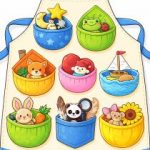
Pocket Story Aprons

Recently, I came upon the concept of Pocket Story Aprons and thought they would be a great addition as a project in Child Development. The goal of pocket story aprons is to help promote storytelling, creativity and imagination when working with young children. Continue reading to learn more about what these are, the benefits to a child’s development and how to create one.

Candy Salad Family Project

You may be familiar with the candy salad trend seen in Tik Tok and Instagram videos. While the educational value of blending various candies is debatable, there is a way to make the concept more educational. In this Candy Salad Family Project, students brainstorm a variety of candy types and then make connections to the personality descriptions of family members before creating their own family candy salad.

Pregnancy Myths & Facts

You’ve probably heard alot of outrageous statements from students over the years regarding pregnancy…I know I have! With all of the misinformation out there, it’s important for students to know what’s true versus what is false. With this Pregnancy Myths & Facts activity, students learn the difference in a very engaging way. Read on to learn how this activity works.

Target Groups & Children’s Books

Another great lesson coming your way from Katelyn Propper is about Target Groups & Children’s Books. Katelyn uses this in her Understanding Diversity class. The lesson explores what target groups are, characteristics of them and who they are made up of before assigning a project using children’s books. Read on to learn more.

Infant Temperaments

We are all born with characteristics that influence our behavior, mood, disposition and adaptability to our environment; AKA “temperament”. The focus of this lesson titled, Infant Temperament, is to help students understand what it is, how it is determined and how it applies to parenting and babies in very engaging ways.

Following Directions & Pretend Play

How many of you remember playing Simon Says when you were young? Or using your imagination in pretend play activities? Both of these activities have deeper developmental benefits for children than most realize. Following Directions & Pretend Play focus on these two important developmental tasks and how they can impact success in educational settings. Read on to learn more!

Bloom’s Taxonomy

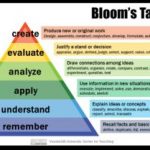
Bloom’s Taxonomy is a framework of hierarchical thinking from the basic, such as recalling facts, to the higher, more complex, such as creating original work. As educators, we learned about this in our collegiate education theory classes. However, Katelyn Propper of Indiana, used this Bloom’s Taxonomy lesson to teach her high school Education Professions class about it as they prepare their own lessons. Continue reading to learn more.

Resiliency & The Family

Challenging situations in life escape no one, especially the family! Resiliency & The Family will provide you with ready to teach lesson plans that define many aspects of resiliency, explore associated risk and protective factors along with related characteristics in a variety of engaging ways.

AI Companions: Lessons & Activities

AI Companions is a new phenomenon that is rising at a growing rate. Is this phenomenon just a fad that will be here today and gone tomorrow? Or, is this an alarming trend that is here to stay? Either way, should we be concerned? In this AI Companions: Lesson & Activities, students explore the concept using the provided prompts before deciding if it is a good idea or a bad idea and completing follow-up activities.

Ultra-Processed Foods

Ultra-Processed Foods…talk about a topic that is in the news regularly…this is it! To help students learn more about Ultra-Processed Foods, I’ve created a variety of activities around the topic including chat stations, a drag and drop food sort, a dilemma for students to investigate and even a flashslide and warning label follow-up. Pick and choose or do them all!