Tag: High School

Rock Candy Mini-Lesson & Lab

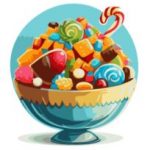
Some call it stained glass candy, some call it hard tack and some call it rock candy!  Whatever you call this sweet treat, it’s delicious and beautiful to look at! In this Rock Candy Mini-Lesson & Lab you’ll find information about the history of this festive food along with a simple recipe to make in the lab. Show students how to make this candy at home with their family or turn it into a beautiful gift to giveaway or have your FCCLA or club make up jars or bags to sell as a fundraiser.

Gifts That Keep On Giving

December can be a very difficult time of the year to teach and keep students engaged as there is usually alot going on! That’s why it’s even more important to assign activities or projects that will keep them focused and on task. The beauty behind the Gifts That Keep On Giving project is that it is very hands-on and helps you at the same time create a wall display or bulletin board that is informative, colorful and festive for the time of the year!

Target Groups & Children’s Books

Another great lesson coming your way from Katelyn Propper is about Target Groups & Children’s Books. Katelyn uses this in her Understanding Diversity class. The lesson explores what target groups are, characteristics of them and who they are made up of before assigning a project using children’s books. Read on to learn more.

Infant Temperaments

We are all born with characteristics that influence our behavior, mood, disposition and adaptability to our environment; AKA “temperament”. The focus of this lesson titled, Infant Temperament, is to help students understand what it is, how it is determined and how it applies to parenting and babies in very engaging ways.

Thrifting: Love it or Hate it?

I’m a thrifting enthusiast! Always have been, always will be!  To me, it’s the thrill of the hunt; finding the next treasure. Not everyone looks at thrifting the way I do and that’s okay. However, thrifting does seem to be in style now and it tells you something when the thrift store parking lots have more cars than the regular department stores do. So, why not see where your students stand with this Thrifting: Love it or Hate it? lesson.

Elevate the Box: Remixing Hamburger Helper

After watching an episode of The Bear and seeing Sydney elevate an ordinary box of hamburger helper into a gourmet worthy dish, I knew I had to create a lesson and cooking challenge lab around it. Thus, Elevate the Box: Remixing Hamburger Helper was born!

Following Directions & Pretend Play

How many of you remember playing Simon Says when you were young? Or using your imagination in pretend play activities? Both of these activities have deeper developmental benefits for children than most realize. Following Directions & Pretend Play focus on these two important developmental tasks and how they can impact success in educational settings. Read on to learn more!

Consumer Rights

For years I found teaching about Consumer Rights dry and boring, and so did my students! That all changed when I figured out how to make teaching about the Consumer Rights more engaging. So, here you have it: a variety of different activities to make this important topic more interactive! Note: This post is just to introduce students to their consumer rights. There will be additional posts coming that have students applying the consumer rights information to other content areas.

Bloom’s Taxonomy

Bloom’s Taxonomy is a framework of hierarchical thinking from the basic, such as recalling facts, to the higher, more complex, such as creating original work. As educators, we learned about this in our collegiate education theory classes. However, Katelyn Propper of Indiana, used this Bloom’s Taxonomy lesson to teach her high school Education Professions class about it as they prepare their own lessons. Continue reading to learn more.

Math in the Kitchen

Many students hate math and don’t see the relevance in the real world! If you can relate, you know that students will grumble, complain and resist doing math at every turn, especially when a fraction is involved. Math in the Kitchen was created based on a book I read where one of the main characters, who loved to cook, struggled with math. Her friend took a recipe and changed the wording to include math problems where basic multiplication, division and fractions were used to decode the actual ingredient amounts. I thought this was a clever way to have students practice math and see the real world connection in cooking and baking, so I created a few. Read on to check them out!