
Category: Life Skills

Family Dinner Matters

One tradition that my family practiced as I was growing up was eating family dinner together regularly! I have wonderful memories of that dinner table; the fun and laughter as well as difficult conversations that ensued between my sisters and parents. This important tradition continued while raising our own children!  How my husband and I will miss this daily routine as we rapidly approach the empty nest stage of our lives. Below you will find a lesson that promotes eating together as a family and the benefits along with a variety of engaging activities and projects that can be implemented in the FACS classroom. Hopefully, students will carry this concept to their home life so it  becomes a recurring practice and a potential tradition with both their present and future families!


Groceries to Your Door: Compare & Contrast–Convenience Worth the Cost?

Have you ever made the statement “I wish I didn’t have to go to the grocery store!  I wish my groceries could be delivered right to my door!”  According to the media, online grocery deliveries are expanding and on the rise.  This was a recent feature in our local Sunday paper and it caught my attention!  I thought it a great way to have students investigate, research and analyze how cost effective the convenience of these services actually are.  So, check out the activities below and if you have any suggestions, please share in the comment section below!

Coping Skills Toolbox

If you teach about crisis or mental illness, then this culminating activity shared by Michelle Overman, a FACS teacher from Greenville Central High School, Indiana, is one for your “tool belt”.  Below you will find a variety of activities that Michelle uses when teaching this topic to her Human Development class with some additional ones that I’ve added.

Young Children & Screens

Several months ago a Texas FACS teacher, sent me a message suggesting that I create a lesson on this topic. I loved the idea and immediately had ideas swirling in my head.  However, before sharing, I  wanted to try it out with my own child development students to make sure everything went as I envisioned. Thankfully, The lesson and activities went according to plan and students had a lot to say about this topic and some great discussions ensued!  If you have suggestions for future lesson and/or activities, send me a message and I’ll take a look!

Families Throughout the Decades–Magazine Project

Reading through some magazine publications such as Reminisce and Good Old Days gave me the idea for this project. Call me strange, but I love studying and learning about families throughout time. So, I thought it might be interesting for students to see how the family has evolved and changed throughout the decades.  While television gives us a glimpse into this via movies, documentaries and television shows, I thought creating a magazine would give them a chance to actually research history and practice their writing skills as they put together an issue focusing on the family during a specific decade. Not only does it help their writing skills, but this project is great for developing collaboration, communication and creativity skills as students complete this as a group!  Students think it’s pretty interesting to see all of the changes that have taken place with the family as they compare and contrast one decade to another!  Who knows, maybe your students will find this aspect of history pretty interesting too!

Collards & Sense: A Food Dollars Curriculum for High School Students

Kayla Pins, a Family &Consumer Science teacher from Iowa, who was featured HERE, has been busy creating Collards & Sense: A free curriculum for high school students that helps students make wise choices with their food dollars.  She has graciously given me permission to share this amazing 10 day curriculum that is full of meaningful, engaging and enriching lessons and activities!  It is designed to be taught by any teacher and in any class, Family and Consumer Sciences certified or not, and kitchen setup or not. Activities are hands-on but require very little prep or purchasing for the teacher.

Food Truck Resources

Food Trucks have been quite popular for the last couple of years with no signs of this trend going by the wayside any time soon!  So if you’re like me and have always wanted to teach this, but didn’t have time to reinvent the wheel, look no further!  Below, you will find a plethora of resources for teaching this topic and project geared to every grade level.  It’s up to you to decide how far you want your students to go with it!

Stress & Coloring: Good Idea? Bad Idea?

Students love to doodle! Children love to color! Adult coloring books are everywhere! The theory behind this phenomenon is that it is a way to relax and decompress, in addition to being a creative outlet. So, is this really a good way to deal with stress or just a trendy way to promote a product? This lesson focuses on stress, and has students investigating this theory by researching and application before deciding whether it’s a good idea or a bad idea!

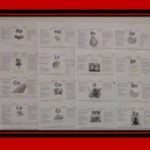
Periodic Table of Fruits & Vegetables

Looking to incorporate the “farm to table” concept into the fruit and vegetable unit of her 9-12 Basic Foods class, Liz Odle, a teacher at North Platte High School, Nebraska did just that by creating the Periodic Table of Fruits & Vegetables project!  A colleague helped her iron out the details and the project was created to accommodate new standards as well as 90 minute periods.  This lesson is not only informative, but engaging, and when complete, creates a large periodic table display that is hung in the hall for all students to view!  See how she teaches this entire unit below.

Deciphering Apartment Lingo

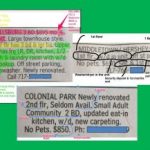
Finding an apartment, understanding the lingo and reading a lease should be skills that all young adults know how to do as they take on adulting responsibilities! I begin this lesson by having students decipher some common abbreviations that I’ve seen/heard used via an interactive game. Students then move onto deciphering actual apartment lingo, work with sample ads, read the classifieds (which may be foreign to some students) and eventually read and answer some questions pertaining to an apartment lease. This at least gives them an idea of what’s involved when the time comes for them to actually find an apartment!