Tag: Relationships

Family Communication: Back In The Day Sayings

Every generation has had their trendy words and sayings over the years. Some have staying power while others make us scratch our heads and think, huh? This Family Communication: Back in the Day Sayings lesson explores those sayings along with whether or not they help or hinder relationships and communication skills between the young and old.

AI Companions: Lessons & Activities

AI Companions is a new phenomenon that is rising at a growing rate. Is this phenomenon just a fad that will be here today and gone tomorrow? Or, is this an alarming trend that is here to stay? Either way, should we be concerned? In this AI Companions: Lesson & Activities, students explore the concept using the provided prompts before deciding if it is a good idea or a bad idea and completing follow-up activities.

Bullying: Ideas for Teaching

Bullies have been around forever…there seems to be at least one in every class! So, if you find yourself in need of resources to teach about bullying, then check out the “Bullying: Ideas for Teaching” to help you pull together a quick lesson or more in depth unit on the subject. As always, if you have additional ideas that you’re willing to share, please send them to me via website email or Facebook messaging and I’ll add them to the list.

Love Project

When teaching about healthy dating relationships, it’s important to explore where we get our ideas about love! Why? Considering how the media dramatizes everything, often making it difficult to discern the realistic (healthy/positive) from the unrealistic (unhealthy/negative), the Love Project has students exploring a variety of media sources to analyze and deconstruct the message. Continue reading to learn more!

Love Languages for Children Lesson

February is always associated with hearts and love! Are you and your students familiar with the love languages? Why not use this Love Languages for Children Lesson to teach your students about Gary Chapman’s five love languages as they pertain to parenting? Read on to learn more.

Relationship Videos

Movies and movie clips can be a great way to add and increase interest to a lesson or topic. Jeff Brown, of Colorado, teaches a Psychology of Relationships
course (any many others) at Rampart High School and has an amazing collection of Relationship Videos that he has created for that class.  He is graciously sharing his video collection with us, along with his websites which are chocked full of materials for various content areas.  So, if you’ve been struggling to add more interest and engagement to your relationship lessons, you are definitely going to want to check these out!

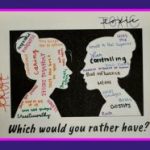
True Friends vs Toxic Friends

True Friends vs Toxic Friends was a big hit with my students! It provides discussion as well as interactive, engaging and creative activities! I taught true friends vs toxic friends to a mixed class of high school students, but this lesson could easily be done with middle schoolers as well!

Divorce: Hyperdoc Lesson

Divorce is more common than most care to admit and sadly a crisis that many children must learn to cope with, sometimes at a very young age. The Divorce: Hyperdoc Lesson is a way for students to learn about the crisis from the child’s perspective and designed to be usable in both traditional and remote learning classrooms.

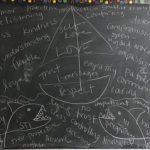
RelationSHIP Graphic Organizer

Students need to have an idea of what makes a relationship healthy or unhealthy. In order to accomplish this, students spend time brainstorming on their own before joining forces as a class to complete the “RelationSHIP Graphic Organizer.” This is a very engaging class sharing activity before asking students to apply it as they analyze relationships to determine their healthfulness.

Life-Long Partner Shopping Spree

Several months back, I received an email about updated resources from The Dibble Institute. This update included an article about a university study, titled “What Youth Seek in Partners,” that sparked this life long partner shopping spree activity. I thought it would be interesting to recreate the study at the high school level and compare the results to the actual survey results. Initially my students thought this would be an easy activity, but on the contrary required much thought on their part. What was rather unique about the outcome of my survey, were the similarities of answers. My results, completed with two different classes, almost mimicked those of the university rankings. Read on to see other activities associated with this lesson/activities.